
Global supply chains have never been more complex—or more vulnerable. From raw material extraction to final product delivery, companies source from dozens of countries, each presenting unique environmental, social, and governance risks. Geopolitical instability, regulatory divergence, climate impacts, and human rights concerns transform what was once a straightforward procurement decision into a strategic imperative requiring sophisticated risk mapping.
Country sourcing risk mapping has evolved from a compliance exercise into a competitive advantage. Leading organizations recognize that understanding where risks concentrate across their global footprint enables proactive mitigation, protects brand reputation, ensures regulatory compliance, and builds resilient supply chains capable of withstanding disruption. Yet most companies struggle to move beyond superficial assessments focused exclusively on tier-one suppliers, missing critical vulnerabilities deeper in their value networks.
Effective country risk mapping requires more than purchasing generic country risk indices. It demands sector-specific analysis, differentiation between transparency and traceability requirements, appropriate technology deployment, and human-centered approaches that reach beyond tier one suppliers. This strategic guide explores how organizations can build comprehensive country sourcing risk maps that deliver actionable intelligence rather than overwhelming data, positioning Ksapa’s proven methodologies as practical solutions for navigating this complexity.
Understanding Country Risk Dimensions in Global Sourcing
Country sourcing risk mapping begins with recognizing that risks manifest differently across sectors, commodities, and sourcing contexts. Unlike generic country risk assessments focused primarily on political stability or macroeconomic indicators, sourcing-specific risk mapping examines how country-level conditions translate into operational, reputational, and compliance vulnerabilities within specific value chains.
Environmental Risks: Sector and Region Specificity
Environmental risks vary dramatically by country and sector. Among other considerations:
- Agricultural sourcing from Southeast Asia confronts deforestation pressures, water stress, and biodiversity loss.
- Manufacturing sourcing from South Asia faces air quality concerns, chemical management challenges, and climate vulnerability.
- Mining operations in Africa encounter ecosystem disruption, community displacement, and remediation complexities.
Each country presents distinct environmental regulatory frameworks—from comprehensive enforcement mechanisms in some jurisdictions to minimal oversight in others—requiring sourcing strategies calibrated to local realities.
Social and Human Rights Risks: The Regulatory Patchwork
Labor standards, freedom of association, living wages, and working conditions vary enormously across sourcing origins. Countries with weak governance structures often harbor forced labor, child labor, and discriminatory practices that expose companies to severe reputational and legal consequences. The Global regulatory landscape is by the way rapidly evoloving:
- France’s Duty of Vigilance Law
- Germany’s Supply Chain Due Diligence Act (LkSG)
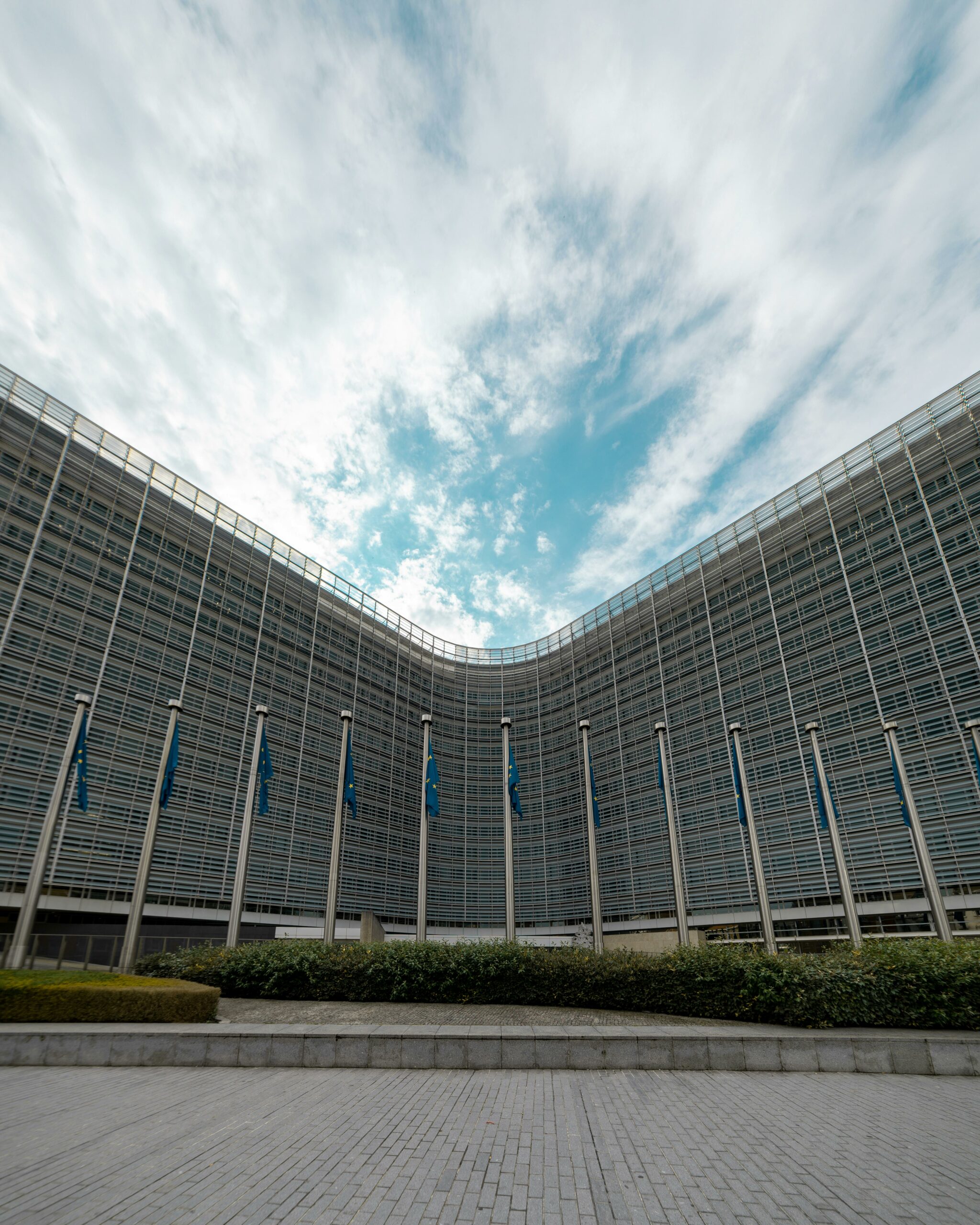
- EU Corporate Sustainability Due Diligence Directive (CSDDD)
- Proposed US regulations on forced labor and deforestation
Companies must map not just where risks exist, but where regulatory obligations apply and how they intersect.
Governance Risks: The Corruption-Compliance Nexus
Governance risks encompass corruption, contract enforcement, intellectual property protection, and regulatory predictability.
Countries with opaque legal systems, weak institutions, or high corruption indices create heightened vulnerabilities for companies attempting to ensure ethical conduct throughout their supply chains.
The Interconnected Nature of Country Risk
These governance challenges often correlate with environmental and social risks, creating risk clusters that demand integrated mapping approaches rather than siloed assessments.
Effective country risk mapping recognizes these interconnections:
- Climate vulnerability amplifies social instability
- Weak governance enables environmental degradation
- Economic inequality drives exploitative labor practices
Ksapa’s integrated approach examines how country-level conditions interact across ESG dimensions, providing clients with holistic risk profiles that reveal systemic vulnerabilities rather than isolated data points.
Strategic Framework: Transparency vs. Traceability in Risk Mapping
Before investing in sophisticated technology platforms or comprehensive data collection systems, organizations must answer a fundamental question: Do we need transparency, traceability, or both?
This strategic choice shapes technology selection, resource allocation, and program design while preventing costly over-implementation.
Transparency-Focused Risk Mapping: When Understanding Trumps Tracking
Transparency prioritizes supply chain profiling to clarify potential risks and implement targeted technologies that identify red flags supporting mitigation strategies. This approach requires less intensive technological integration while still providing valuable insights for risk management and stakeholder engagement.
When transparency is sufficient
Transparency proves sufficient for organizations primarily concerned with understanding risk concentrations, communicating effectively with stakeholders, and implementing targeted interventions in high-risk contexts.
Example: A consumer goods company sourcing packaging materials globally might implement transparency-focused country risk mapping to identify countries with elevated environmental regulatory risk, enabling procurement teams to adjust sourcing strategies and engage suppliers on improvement plans without requiring granular transaction-level tracking.
Traceability: Following the Chain of Custody
Traceability represents a more complex endeavor where every transaction must be incorporated into chain-of-custody tracking systems. This approach follows components as they aggregate together, providing clarity on entities involved and the actual risk profile of each contributor along the chain.
When traceability becomes essential
Traceability becomes essential for high-value products, regulated commodities, or situations where demonstrating provenance carries commercial or compliance value.
Example: A pharmaceutical company sourcing active ingredients must implement traceability-focused country risk mapping to satisfy regulatory requirements, document quality assurance, and protect against counterfeiting. Similarly, companies committed to deforestation-free sourcing increasingly require traceability systems tracking agricultural commodities from specific farms through processing and manufacturing.
Making the Strategic Choice
Ksapa’s consultants excel at helping clients navigate this critical assessment, avoiding costly over-implementation while ensuring adequate visibility for their specific risk profile. Our methodology begins by clarifying two fundamental questions in terms of transparency-versus-traceability:
- What value is created along the supply chain?
- How is that value shared with supply chain partners?
These questions are fundamental to determining appropriate transparency versus traceability requirements. This strategic assessment prevents the common pitfall of investing heavily in impressive-looking technologies that fail to address root causes of supply chain risks.
Technology plays an essential role in country sourcing risk mapping, but only when deployed appropriately and complemented by human-centered approaches that address fundamental capacity and connectivity gaps.
Technology and Human-Centered Solutions for Effective Risk Mapping
A critical reality: The most sophisticated blockchain system proves worthless if tier three suppliers lack reliable internet access or incentives to participate. Effective risk mapping balances technological innovation with practical implementation across diverse contexts.
Technology Solutions for Transparency Initiatives
Several technologies deliver significant value without requiring universal supply chain digitalization:
- Cloud-based platforms centralize country-level risk data, regulatory updates, and supplier performance metrics accessible to procurement teams globally. These systems can integrate external data sources—from country ESG indices to commodity-specific risk assessments to real-time monitoring of environmental or social incidents—providing dynamic risk intelligence that evolves with changing conditions.
- AI-powered analytics transform raw data into actionable insights, identifying patterns invisible to human analysis. Machine learning algorithms can detect correlations between country risk indicators and supplier performance, predict which sourcing regions face elevated future risk, and recommend optimal sourcing portfolio adjustments.
- Augmented reality applications enable remote facility assessments, allowing sustainability teams to virtually inspect supplier operations in high-risk countries without extensive travel.
Technology Solutions for Traceability Initiatives
Traceability-focused initiatives leverage more intensive technologies:
- Blockchain platforms create immutable records of transactions, enabling companies to verify that products originated from approved sources rather than high-risk regions.
- IoT devices equipped with environmental sensors track conditions throughout transportation, documenting temperature, humidity, and handling that might indicate quality issues or regulatory violations.
- GPS tracking combined with geofencing capabilities alerts companies when shipments enter or exit specific countries, enabling real-time supply chain visibility across borders.
The Technology Gap: Why Human-Centered Approaches Matter
Technology alone cannot solve country risk mapping challenges
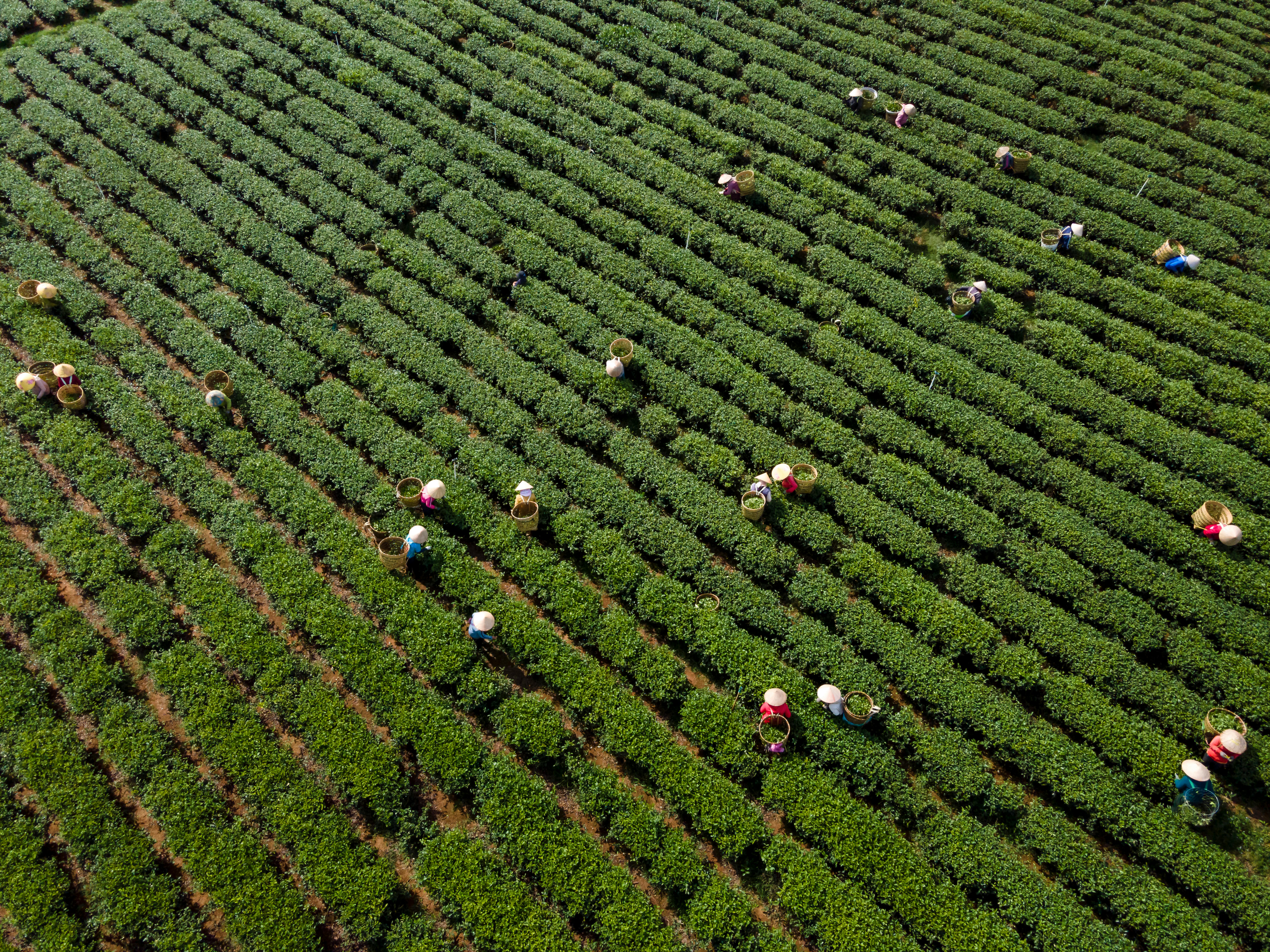

Most significant environmental and social risks concentrate beyond tier one suppliers, at tier two, three, or deeper in supply networks. These extended participants—smallholder farmers, artisanal processors, small-scale manufacturers—frequently lack access to digital tools, reliable internet, or stable electricity. They may have neither resources nor incentives to participate in sophisticated data collection systems.
Bridging the Gap: Human-Centered Implementation
True country risk mapping requires addressing these fundamental challenges through human-centered approaches.
Ksapa’s SUTTI digital platform for example exemplifies this balanced methodology, delivering scalable capacity-building programs across fragmented value chains while accommodating resource-constrained environments. The specificities of the Ksapa’s SUTTI digital platform:
- Work offline: Systems must function without constant internet connectivity
- Adapt to constraints: Accommodate unstable connections and limited bandwidth
- Support basic devices: Operate on feature phones as well as smartphones
- Embrace diverse media: Use pictures, vocalized text, and simple interfaces to accommodate users with varying literacy levels
- Create mutual value: Provide tangible benefits that incentivize participation
This approach bridges gaps between multinational requirements and local realities.
Practical Example: Rice Sourcing in Sri Lanka
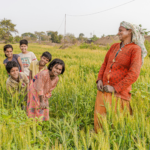
A rice company implementing country risk mapping across Pacific Asian sourcing regions cannot simply deploy blockchain traceability expecting smallholder farmers with intermittent electricity to participate. Instead, Ksapa’s methodology combines appropriate low-tech solutions with targeted capacity building, creating genuine value for all supply chain participants rather than imposing burdensome compliance requirements.
Our approach is creating tangible benefits for supppliers:
- Market information enabling smallholders to negotiate fair prices
- Advisory services providing guidance on sustainable farming practices
- Digital payment systems improving financial inclusion
- Grievance mechanisms ensuring concerns are addressed
By creating tangible benefits for suppliers in high-risk countries, this human-centered approach achieves far higher participation rates than technology-first implementations that ignore fundamental capacity constraints. Cost is by the way not necessarily higher while cost to impact on ESG risks to mitigate is likely significantly higher through human-centered systems supported by effective and adapted digital platforms.
Ksapa’s global reach and capacity to operate across diverse contexts proves invaluable for companies sourcing from countries with vastly different technological infrastructure, regulatory environments, and stakeholder expectations. Our independent third-party position focuses on impact and cost-effective approaches rather than encouraging expensive, sophisticated technologies that may look impressive but fail to actually improve risk mitigation despite their cost.
Conclusion
Country sourcing risk mapping has evolved from a peripheral compliance activity into a strategic imperative for organizations operating global supply chains. Geopolitical instability, accelerating climate impacts, expanding due diligence regulations, and heightened stakeholder expectations demand sophisticated approaches that move beyond superficial tier one assessments to address systemic vulnerabilities throughout value networks.
Success requires:
- Strategic clarity about whether transparency or traceability best serves specific business objectives
- Appropriate technology deployment calibrated to actual supplier capabilities rather than aspirational digital maturity
- Human-centered approaches that create genuine value for all supply chain participants, not just compliance burdens
Organizations that master this balance build resilient sourcing portfolios capable of navigating disruption while protecting reputation and ensuring compliance with evolving global standards.
Take Action: Transform Your Country Risk Mapping
Ksapa’s Expertise
Ksapa brings 25+ years of sustainability expertise across agricultural, manufacturing, extractive, and construction supply chains in high-risk sourcing countries throughout Asia, Africa, and Latin America. Our integrated methodology combines strategic assessment, appropriate technology selection, capacity building, and stakeholder engagement to deliver country risk mapping that produces actionable intelligence rather than overwhelming data.
Ready to transform your country sourcing risk mapping from compliance burden into competitive advantage?
Contact Ksapa to develop a strategy that balances technological innovation with practical, human-centered solutions working across your entire global supply network. This strategy will turn risk visibility into resilient and responsible sourcing.

Président et Cofondateur. Auteur de différents ouvrages sur les questions de RSE et développement durable. Expert international reconnu, Farid Baddache travaille à l’intégration des questions de droits de l’Homme et de climat comme leviers de résilience et de compétitivité des entreprises. Restez connectés avec Farid Baddache sur Twitter @Fbaddache.