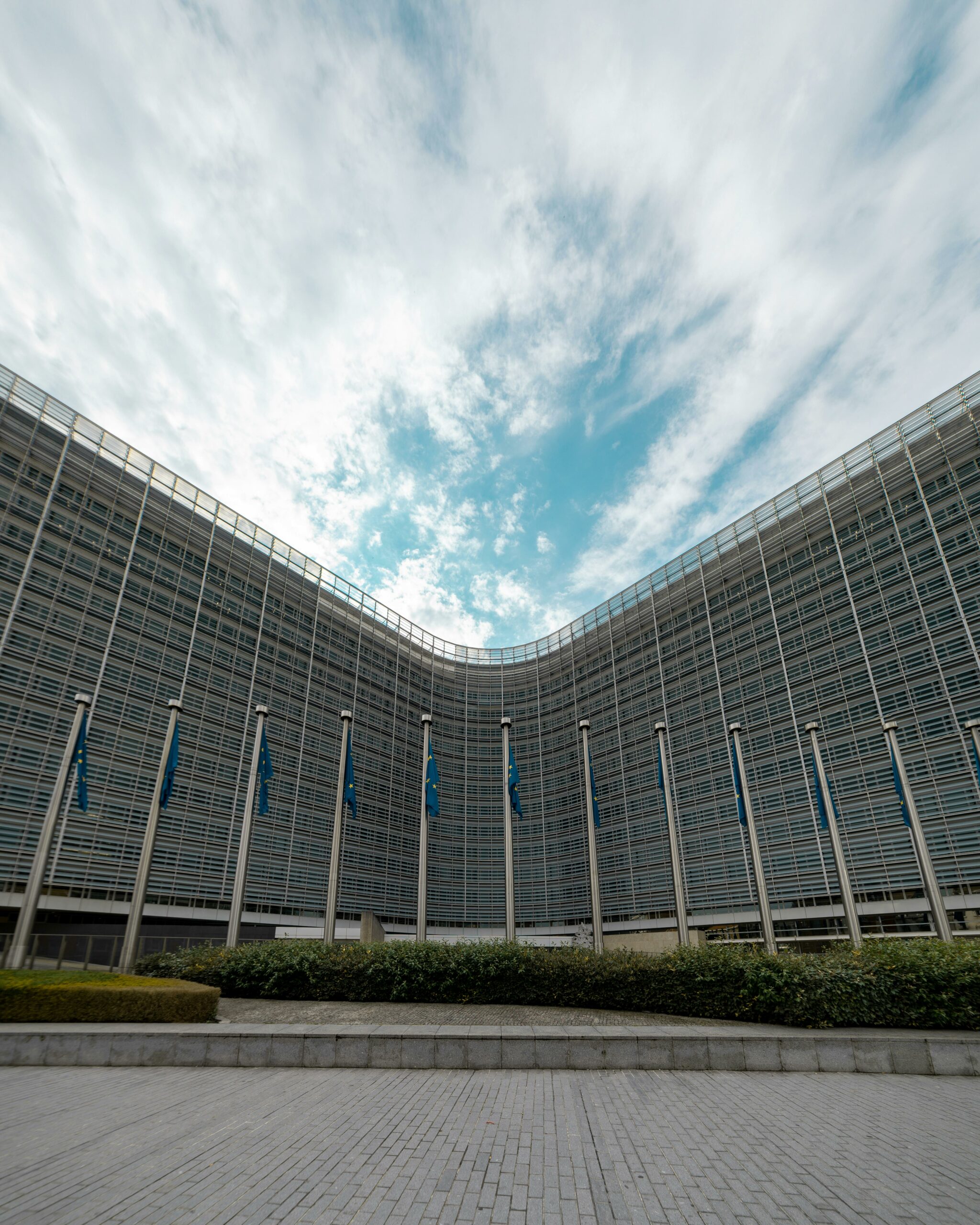

The regulatory landscape for corporate due diligence has shifted irreversibly. A growing constellation of national and regional laws — from the French Duty of Vigilance Law and the German Supply Chain Due Diligence Act (LkSG) to the Norwegian Transparency Act, the UK Modern Slavery Act, and Canada’s Fighting Against Forced Labour and Child Labour in Supply Chains Act — already requires companies to identify, prevent, and address adverse human rights and environmental impacts. The EU Corporate Sustainability Due Diligence Directive (CSDDD), adopted in 2024 but not yet in application, shall in the coming years enforce and deepen these principles at an unprecedented scale across value chains.
Across all these frameworks, one expectation stands out: meaningful stakeholder engagement. The OECD Business-Trade Union Roundtable confirms this engagement cannot be a mere formality. Companies that treat it as a tick-box exercise face regulatory, reputational, and operational risks they can no longer ignore.
From Compliance Box-Ticking to Two-Way Dialogue
What the OECD Requires for Stakeholder Engagement
The OECD Guidelines for Multinational Enterprises on Responsible Business Conduct, updated in 2023, set an explicit expectation. Companies must engage “meaningfully” with stakeholders throughout the due diligence process. Particular attention must be paid to people who are actually or potentially affected.
The OECD scoping note for the Business-Trade Union Roundtable specifies how this engagement should be structured with workers and their legitimate representatives—trade unions foremost—at each stage of the due diligence cycle.
Beyond Questionnaires: Criteria for Meaningful Engagement
This expectation goes well beyond distributing questionnaires or holding an annual meeting. The OECD framework defines meaningful engagement as interactive, ongoing, conducted in good faith, and responsive to stakeholder views. It must be:
- Safe for those who participate
- Timely and accessible
- Adapted to context
That final requirement alone disqualifies much of what currently passes for stakeholder consultation in global supply chains, where fear of reprisal remains a pervasive barrier to honest dialogue.
The Business-Trade Union Roundtable: An Operational Framework
What makes the Company-Trade Union Roundtable particularly significant is its focus on labour rights engagement as a distinct discipline within due diligence. The roundtable brings together brands, retailers, manufacturers, and trade union representatives to build shared understanding of how engagement should function at each step of the due diligence cycle. This includes :
- Risk identification and assessment
- Design of prevention and mitigation measures
- Monitoring their effectiveness
- Access to remedy
The practical implications are far-reaching. Companies that rely exclusively on social audits and supplier self-assessments systematically miss the most serious risks. Workers subjected to forced overtime or dangerous conditions will not report these situations to auditors mandated by brands. Only through structured, trust-based engagement — ideally mediated through legitimate worker representatives — can companies surface the risks that audits consistently fail to capture.
The Current and Future Regulatory Landscape
The CSDDD, which explicitly references the OECD’s due diligence framework, shall codify these expectations into binding law once transposed by EU Member States in the coming years. But companies need not — and should not — wait. Several national laws already impose comparable obligations.
Germany’s LkSG, in force since January 2023, requires companies with 1,000 or more employees to establish:
- Risk management systems
- Annual analyses
- Preventive and corrective measures
- Grievance procedures
France’s duty of vigilance law, enacted in 2017, goes further by requiring publication and implementation of vigilance plans covering human rights and environment, while exposing companies to civil liability for failure to comply.
Norway’s Transparency Act, in force since July 2022, extends these obligations to a remarkably broad base of companies and grants any person the right to request information on how negative impacts are addressed.
The UK Modern Slavery Act, focused on disclosure transparency, is under pressure to evolve toward binding requirements, with a House of Lords committee concluding that disclosure alone is “too limited to produce significant practical impact.”
Canada and Japan have introduced their own requirements, and legislation is being prepared in the Netherlands, Switzerland, and elsewhere.
The common denominator of these laws—and what the CS3D will reinforce—is the principle that effective due diligence is impossible without genuine dialogue. Companies will need to demonstrate not only the existence of engagement mechanisms but their effectiveness: evidence of two-way dialogue, influence of contributions on decisions, and responses to concerns raised.
Who Should Be at the Engagement Table?
Identifying Priority Stakeholders Based on Risks
A challenge persists for companies. They must determine which stakeholders to engage. They must decide at what level and at what stage of the due diligence cycle. The OECD has worked with multi-stakeholder coalitions like STITCH. STITCH brings together trade unions, NGOs, and multi-stakeholder initiatives. This work has produced practical guidance. The answer is clear. Engagement must be calibrated according to the nature and severity of identified risks.
The Central Role of Trade Unions for Labor Rights
For labour rights risks, workers and their legitimate representatives — particularly trade unions — should be the primary stakeholders. This is not merely a principled position; it is a practical one.
Trade unions possess irreplaceable institutional knowledge. They know working conditions, sectoral risks, and local regulatory frameworks. No external consultant can replicate this expertise. The OECD Forum has demonstrated this. Binding agreements between companies and trade union federations produce measurable results. The examples from Dindigul and Lesotho on gender-based violence attest to this. They work because they rest on genuine partnership.
Broadening the Map for Environmental Issues
For environmental and community risks, the map expands to include:
- Indigenous peoples
- Local communities
- Civil society organizations
- Environmental defenders
The principle of free, prior, and informed consent (FPIC) takes on particular importance here. This applies especially to projects involving land acquisition. It also applies to resource extraction affecting traditional livelihoods.
Including Vulnerable Groups
Ksapa’s field experience across more than 150 countries confirms that effective stakeholder engagement requires companies to think beyond conventional categories. Vulnerable groups are often the most affected. They are also the least likely to be included. These include migrant workers, women in the informal sector, and smallholder farmers.
Removing barriers to their participation requires:
- Adapting communication methods
- Providing secure channels
- Mobilizing trusted intermediary organizations
- Ensuring activities are culturally and linguistically appropriate
The Right Sequencing of Engagement
The sequencing of engagement matters as much as stakeholder selection.
Planning phase: The company must identify key stakeholders and potential impacts of its operations.
Implementation phase: Engagement shifts toward co-designing mitigation measures and grievance mechanisms.
Monitoring phase: Stakeholders must be involved in assessing the effectiveness of remediation measures. These are requirements that both the OECD Guidelines and CS3D explicitly articulate.
Companies that master this sequencing build what is called a “social license to operate“. This is not an abstract concept. It is a tangible asset that reduces conflict, accelerates project timelines, and strengthens supply chain resilience.
Building Systems That Learn and Adapt
The Importance of Feedback Loops
The most sophisticated due diligence systems are not those with the most policies on paper, but those with the strongest feedback loops between the company and its stakeholders. This is where many organizations falter. They invest heavily in risk mapping and policy development but underinvest in the infrastructure needed to sustain meaningful dialogue over time.
Grievance Mechanisms: Beyond the Complaint Box
Effective grievance mechanisms are a critical component of this infrastructure. The OECD Guidelines and the UN Guiding Principles on Business and Human Rights define clear criteria for what makes a grievance mechanism legitimate:
- Accessibility
- Predictability
- Fairness
- Transparency
- Compatibility with fundamental rights
- Continuous learning
Too often, however, corporate grievance mechanisms function as complaint boxes rather than genuine channels for accountability. Workers must trust the process, understand how it works, and see evidence that their concerns lead to real change.
Overcoming the Trust Deficit
The OECD Company-Trade Union Roundtable highlights that this trust deficit is one of the most significant barriers to effective due diligence. When workers and communities perceive engagement as performative — designed to satisfy regulators rather than to address their concerns — they disengage. And when they disengage, companies lose access to the very intelligence they need to identify and mitigate risks effectively.
Cultural Transformation and Organizational Integration
Building learning systems requires cultural transformation. Due diligence cannot remain confined to compliance or sustainability departments.
Procurement teams, operational managers, and executive leadership must understand how stakeholder feedback informs decisions. Data from engagement—direct dialogue, grievance mechanisms, digital tools—must be integrated into risk management systems and used to adjust:
- Remediation plans
- Sourcing strategies
- Supplier relationships
The Leverage of Cross-Sector Collaboration
This is also where cross-sector collaboration becomes essential. No single company, regardless of its size or resources, can address systemic risks in isolation.
Multi-stakeholder initiatives, industry coalitions, and partnerships with civil society organizations allow companies to pool resources, share intelligence, and exert collective leverage on risks that extend beyond any individual supply chain. The OECD’s role as a convener of government, business, trade unions, and civil society in forums like the Garment and Footwear Sector Forum provides a model for the kind of structured, trust-based collaboration that effective due diligence requires.
Turning Engagement Into Competitive Advantage
Preparing for Regulatory Convergence
The transition from voluntary guidelines to mandatory due diligence legislation represents both a challenge and an opportunity. Companies operating under the German LkSG, the French Duty of Vigilance, the Norwegian Transparency Act, or the UK Modern Slavery Act are already navigating these expectations. When the CSDDD enters into application in the coming years, it shall extend and harmonize these requirements across the EU, raising the bar for all companies in scope. Those that have already invested in meaningful stakeholder engagement will find themselves best prepared — not only for CSDDD compliance but for the broader regulatory convergence taking place across jurisdictions.
Engagement as Value Creator
Companies that approach due diligence as a strategic capability will discover a fundamental truth. Authentic engagement creates value. It generates concrete benefits:
- Surfaces risks before they become crises
- Builds the trust needed to navigate complex environments
- Produces ground-level intelligence that no desk research can provide
How Ksapa Can Support You
Ksapa supports multinational companies and investors in designing and implementing due diligence systems that place stakeholder engagement at their core. Our approach covers:
- Human rights impact assessments
- Stakeholder mapping
- Grievance mechanism design
- Supply chain transformation programs
Our expertise rests on a conviction. Due diligence only works through authentic dialogue. This dialogue must take place with the people it is meant to protect.
Ksapa Resources and Expertise
Ready to strengthen your due diligence and stakeholder engagement practices?
Explore Ksapa’s resources and case studies at ksapa.org, including:
- Our expertise on Business & Human Rights consulting
- Our 5 Keys to Local Human Rights Stakeholder Engagement
- Our analysis of the Stakeholders’ Role in Human Rights Due Diligence
To navigate the regulatory landscape, consult our guides on:
- German Supply Chain Act Compliance
- France and UK Human Rights Due Diligence Laws
- The Norwegian Transparency Act
- EU Corporate Due Diligence
For the foundational OECD framework, consult:
- The Background Note for the Company-Trade Union Roundtable
- The broader OECD Due Diligence Guidance for Responsible Business Conduct
Contact the Ksapa team. We can help you build due diligence systems anchored in meaningful stakeholder engagement. We transform regulatory requirements into lasting competitive advantage.

Président et Cofondateur. Auteur de différents ouvrages sur les questions de RSE et développement durable. Expert international reconnu, Farid Baddache travaille à l’intégration des questions de droits de l’Homme et de climat comme leviers de résilience et de compétitivité des entreprises. Restez connectés avec Farid Baddache sur Twitter @Fbaddache.